

About two weeks ago, I shared a poll about sugar addiction and over-reliance on sugar in two groups. The responses were eye-opening. Following the survey and its results, I decided to share how sugar impacts our health so we can rethink our approach to sugar.
According to John Yudkin and Dr Robert H Lustig, “Sugar is pure, white and deadly.” The truth is that sugar affects our health in many ways. The impact depends on three things:
- The type of sugar (fructose, glucose, sucrose, HFCS, etc). Honey also contains sugar. HFCS is the most consumed because it is found in most processed foods.
- How much we consume.
- How often we consume it.
Ask yourself these three questions honestly.
Here are some of the ways sugar impacts our health:
1. Raises Blood Sugar Levels and Boosts Energy (short-term).
Refined sugars from sweets, syrups, sugary drinks, etc, cause rapid spikes and crashes in blood glucose. This results in fatigue, irritability, and cravings. Whole foods release sugar more gradually, avoiding these spikes.
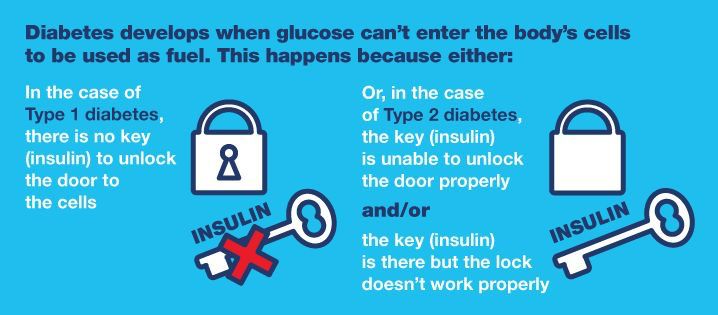
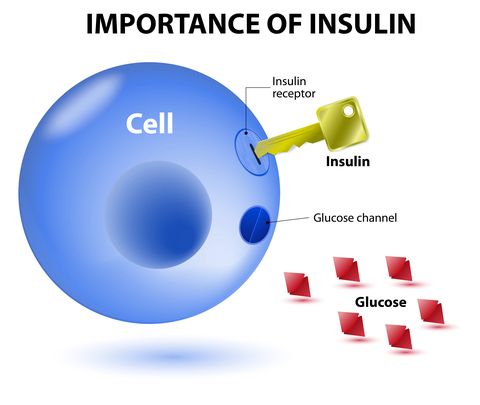
Insulin overdrive is another issue. The pancreas releases insulin to move sugar from the blood into cells for energy. When we frequently consume high amounts of sugar, it forces the pancreas to release more insulin. Over time, cells resist insulin, leading to insulin resistance and eventually type 2 diabetes.
2. Weight Gain and Fat Storage.
Excess sugar is converted to fat. Many “fat-free” products replace fat with sugar, which still turns into fat in the body. Sugar provides empty calories, meaning calories without nutrients, making overeating easier.
Sugar promotes visceral fat, also known as belly fat. This type of fat wraps around organs like the liver, kidneys, pancreas, and gallbladder, increasing the risk of heart disease and metabolic syndrome.
3. Cardiovascular Health.
Excess sugar raises triglycerides, a form of stored fat in the body, and high triglycerides are linked to heart disease. Sugar also increases inflammation, which damages blood vessels and worsens conditions like diabetes and arthritis. Diets high in sugar can also contribute to high blood pressure.
4. Immune System Suppression.
Consuming 75–100g of sugar (about 2–3 cans of soda) can reduce white blood cell activity for up to 4–5 hours. This weakens the body’s ability to fight infections and even destroy precancerous cells.
5. Impact on Hormones and Reproductive Health.
Sugar worsens hormonal imbalances by raising insulin and estrogen. It reduces levels of SHBG (sex hormone-binding globulin), which normally binds estrogen. This promotes fibroid growth and worsens PMS symptoms.
In PCOS (polycystic ovary syndrome), insulin resistance caused by high sugar intake worsens symptoms and fertility issues.
6. Dental Health.
Bacteria in the mouth feed on sugar, producing acids that erode enamel and cause cavities. Brushing twice a day helps. Practices like oil pulling and using pomegranate skin rinse can also support oral health.
7. Brain and Mental Health.
Sugar spikes followed by crashes lead to mood swings by affecting serotonin and dopamine.
Sugar also has addiction-like effects, activating the brain’s reward system similar to drugs. In studies, rats chose sugar over cocaine. Long-term high sugar diets may impair memory and focus.
8. Liver Health.
High sugar diets contribute to non-alcoholic fatty liver disease (NAFLD). Fructose, found in sodas, processed foods, and sugary juices, is metabolized by the liver. Excess consumption puts stress on the liver, leading to fat buildup and impaired detox function.
I am Opeoluwa Aremu-Okulaja, a retired pharmacist and a Health and Wellness Coach and Consultant.
Follow me on LinkedIn:
https://www.linkedin.com/in/opeoluwa-aremu-okulaja-880bb14a
Subscribe to my newsletter and YouTube channel:
https://opeoluwaokulaja.com/subscribe/
https://youtube.com/@opeoluwaaremu-okulaja5579


