About 15 years ago, when I began my healthy living journey, I discovered a group of nutrients called phytonutrients or phytochemicals. They appear to be powerful ammunition in the war against CANCER and other disorders. What I discovered was mind-blowing. Today, I’m going to open your eyes to their importance.
What are phytonutrients?
Phytonutrients, also called phytochemicals, are bioactive compounds “produced by plants” to “protect themselves” from UV radiation, pests, and disease. You read that right!
PHYTO means plants, so phytonutrients are nutrients from or in plants.
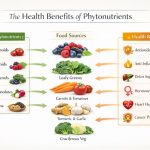
Surprisingly, humans also reap amazing health benefits from them. They are not “essential nutrients” like vitamins, but they have powerful health-promoting biological effects, such as:
📌 Antioxidant activity: these quench free radicals that harm our cells.
📌 Anti-inflammatory effects.
📌 Cell signalling and gene expression (they can affect how our genes express themselves for our good or bad).
Strong evidence links them to a lower risk of chronic diseases. These effects make them very important in nutrition and chronic disease prevention, so there’s a lot of research going on about them.
They are found in fruit, veg, grains, and legumes. They are responsible for giving them colour and flavour.
The major types of phytonutrients include:
🎯 Polyphenols:
This is the largest and most studied group.
Examples include:
• Flavonoids, which include quercetin and catechins.
• Resveratrol.
• Anthocyanins.
Food sources include:
• Berries, especially blueberries and strawberries. I love berries, and they are low in sugar.
• Green tea: I drink decaffeinated organic green tea because tea can be high in pesticides, and I also limit my consumption of caffeine.
• Dark chocolate: I buy dark chocolate with at least 70% cocoa, and I add pure cocoa to my drinks, smoothies, and yoghurt. It activates the longevity genes 🧬 because of its resveratrol content.
• Olive oil, which should be extra virgin and cold-pressed. There are many fake ones out there.
Here are the characteristics of a good olive oil:
📍 Must be cold-pressed.
📍 Must be extra virgin.
📍 Must show year of harvest, as it’s only stable for 18–24 months after harvest.
📍 Must show a country of origin — only one country.
📍 Must be in a coloured dark bottle.
📍 Must have a PDO or PGI certification.
📍 Must have a batch number and an expiry date.
Health benefits of polyphenols:
1. Strong antioxidant activity.
2. May reduce the risk of cardiovascular disease.
3. Support endothelial function, which is crucial for the health of your blood vessels.
🎯 Carotenoids:
These are responsible for the red, orange, and yellow colours you see in foods.
Examples are:
Beta-carotene, e.g., carrots, pink sweet potatoes.
Lycopene in tomatoes and watermelon. This plays a role in prostate health.
Lutein, which is important for supporting your eye health, especially your retina and macula. Food sources include dark leafy vegetables like kale and spinach.
Health benefits include:
1. Supporting eye health, especially lutein.
2. Linked to reduced risk of certain cancers. This is so important.
3. Act as antioxidants, which fight free radicals that damage cells and genes.
🎯 Glucosinolates:
These are mainly in cruciferous vegetables.
Examples:
Sulforaphane
Indole-3-carbinol (I3C)
Diindolymethane (DIM)
These are very important in preventing and protecting against estrogen-activated cancers like breast cancer. They ensure that estrogen is broken down or metabolised in the right and healthy pathway that doesn’t lead to cancer. If breast cancer runs in your family, you should be consuming a lot of this.
Food sources include:
Broccoli
Cauliflower
Cabbage
Kale
Brussels sprouts
Health benefits include:
1. Activate detoxification enzymes, which ensure proper removal of toxins that can initiate cancer.
2. Anti-cancer properties.
3. Influence gene expression related to cell repair.
What we eat and expose ourselves to can trigger genetic changes that can lead to cancer and even type 2 diabetes, etc. This is epigenetics.
🎯 Phytoestrogens:
These are plant compounds that weakly mimic estrogen. They can bind and block receptors of bad estrogen metabolites that trigger cancer.
Examples:
Isoflavones (genistein)
Food sources include:
Soya; however, I only consume organic and fermented soy to protect myself from the GMO ones.
Flaxseeds must be ground before consuming, stored in the fridge once the pack is opened, or else it becomes unstable and useless. Grind it as you need it.
Health benefits include:
1. Supporting hormonal balance.
2. Reducing menopausal symptoms.
3. Has possible cardiovascular benefits.
🎯 Organosulfur compounds:
Responsible for strong smells in some plants.
Example:
Allicin
Food sources:
Garlic, which must be crushed or grated to release the allicin. Leave it for at least 10 minutes for the release.
Onions: I also brew the leaves as tea. I consume red and brown onions, leeks, chives, and spring onions a lot.
Health benefits include:
1. Antimicrobial properties.
2. May help lower blood pressure.
3. Cardiovascular protection.
How phytonutrients work:
Modern research shows they do more than just act as antioxidants:
📌 Antioxidant defense:
They help neutralise free radicals involved in oxidative stress.
📌 Anti-inflammatory signalling:
They reduce chronic inflammation, a key driver of diseases like:
Heart disease
Type 2 diabetes
Cancer
📌 Gene regulation:
They can have an effect on genes. Some phytonutrients activate protective pathways like the Nrf2 pathway. This boosts the body’s own detox and antioxidant systems.
Here are some overall science-based health benefits:
📍 Cardiovascular health:
Diets rich in plant compounds, e.g., the Mediterranean diet, show reduced heart disease risk. Polyphenols improve blood vessel function.
📍 Cancer risk reduction:
Cancer formation is a MULTIPLE-STEP process, and according to research, they seem to fight cancer by blocking one or more of the steps that lead to cancer. Let me add that there are no long-term human studies, except animal studies.
Cruciferous vegetable intake is linked to a lower risk of some cancers. For example, Sulphoraphane, a phytonutrient found in broccoli, can reach the cell invaded by a carcinogen from a food you ate, and it can stop it!
How?
It activates a group of enzymes that carry that carcinogen out of the cell before it can cause harm! How much of this group are you consuming?
This group of vegetables also contains another group of phytonutrients called indoles that boost immune activity and aid in the excretion of toxins.
PEITC (PhenEthylIsoThioCyanate), found in cabbage and turnips, which are also cruciferous vegetables, has been shown to inhibit the growth of lung cancer cells in research with rats and mice.
That’s why I don’t joke with them at all.
Flavonoids in citrus and berries keep cancer-causing hormones from latching onto cells.
Mechanisms include detoxification and apoptosis, which cause cell death of damaged and cancer cells.
📍 Brain health:
Flavonoids and anthocyanins are associated with improved cognition and reduced neurodegeneration risk. Examples are blueberries, especially blackberries.
📍 Metabolic health:
Improved insulin sensitivity.
Reduced risk of Type 2 Diabetes.
All these reasons are why I’m very intentional about eating lots of fruit and veg, especially in the raw state.
What’s the best way to get phytonutrients?
Eat a “rainbow” diet. The best strategy is a diverse, plant-rich diet.
Different colours indicate different compounds:
Red includes lycopene in tomatoes.
Orange includes beta-carotene found in carrots.
Green includes sulforaphane, which can be found in broccoli.
Blue/purple includes anthocyanins, which can be found in berries.
Let’s compare whole foods vs supplements.
Whole foods win any day.
Research consistently shows that whole foods provide synergistic effects.
Supplements often don’t replicate the same benefits. Make sure you are buying real supplements.
Stop focusing on just eba, rice, bread, etc., and eat more and more foods loaded with phytonutrients.
Don’t dig your grave with your fork.
📌 I help professionals and executives reverse long-term illnesses and restore wholeness, using a natural wellness system.