If there’s one group of foods you must place a premium on, it’s fermented foods. I don’t joke with them, and neither should you!
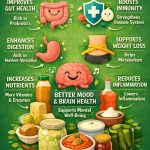
There’s so much human clinical evidence on its health benefits. They are available at a relatively low cost, e.g., PAP (millet is a better option), Iru, which is fermented from locust beans, and they have wide internal benefits. They support gut diversity, reduce inflammation, and may positively influence immunity, metabolism, mental health (due to a gut-brain connection), and overall wellness. This is not about hype.
What is FERMENTATION?
Fermentation is a process where microbes (mostly bacteria and yeast) break down sugars in food. This creates beneficial compounds such as organic acids, enzymes, and sometimes live microorganisms called probiotics.
Here are some examples:
📌 Yoghurt (with live cultures). If it’s from dairy, I only consume organic yoghurt. Since I’m reducing my consumption of dairy, I now consume more of coconut yoghurt. I used to produce and sell coconut yoghurt many years ago in Lagos.
📌 Kefir is a fermented drink made from cow or goat milk.
📌 Sauerkraut from cabbage.
📌 Kimchi is a Korean fermented food made from Chinese cabbage.
📌 Miso is made from fermenting soya beans. I tend to consume only the organic version to protect myself from GMOs. I add it to my homemade bone broth when converting it into a healthy soup.
📌 Tempeh is also made from fermenting soya beans. I only buy organic for the reason above. I consume it as a meat replacement when I go on a vegan diet once in a while. I also grill it into a healthy snack.
📌 Kombucha is a fermented drink that’s mildly alcoholic and made by adding culture to sweetened tea.
📌 Iru is made from fermented locust beans.
📌 Kvass is a fermented drink made from cabbage and beetroot. I make mine at home.
📌 Pap is made from fermenting grains like corn, sorghum and millet. I prefer millet pap (ogi) because it’s alkaline, and it’s my recommendation to my cancer clients.
📍 Fufu is a fermented food from cassava. That doesn’t mean we overconsume it because it’s a carb and high in calories.
📍 Gari is a fermented food from cassava. That doesn’t mean we overconsume it because it’s a carb and high in calories.
Millet Pap is better than corn pap for the following reasons:
📍 It’s alkaline, and alkaline foods are more protective against cancer than non-alkaline foods or acidic foods.
📍 It has a low glycemic index (50–65) while corn has a higher GI (65–85), which isn’t good for diabetes and metabolic health. Foods with low GI protect your metabolic health because they are lower in sugar and have lower levels in the blood.
📍 Millet keeps you filled for longer compared to corn pap.
📍 Millet provides better gut health than corn pap because it’s higher in fibre and resultant starch.
📍 Millet has higher nutrient density than corn pap. It’s rich in magnesium, iron, B vitamins and antioxidants.
📍 Millet pap has anti-inflammatory properties due to polyphenols (a phytochemical).
So let’s look at some health benefits:
🎯 Gut microbiome support:
Your gut contains trillions of microbes (more than the number of cells in your body), and they influence digestion, immunity, metabolism, and even mood. Do you know that 70% of your immune system is in your gut?
📍 Some fermented foods contain live probiotics that can temporarily add beneficial bacteria.
📍 Even when microbes don’t survive digestion, they can still modulate the gut environment.
A 2021 Stanford University study found that a high-fermented-food diet increased microbiome diversity and reduced inflammatory markers. (Remember that chronic inflammation is a root cause of many chronic or long-term diseases.)
This matters because higher microbiome diversity (variety) is consistently linked to better health outcomes.
🎯 Improved digestion and nutrient absorption:
This happens because fermentation “pre-digests” food, and this then leads to:
📍 Breaking down lactose, which is why yoghurt/kefir is often easier to tolerate.
📍 Reduction in anti-nutrients like phytates found in grains. This improves absorption of minerals like iron and zinc.
📍 Production of enzymes that aid digestion.
🎯 Immune system regulation:
As shared above, 70% of your immune system is located and linked to the gut.
📍 Fermented foods can help regulate immune responses rather than just “boost” them.
📍 Some strains like Lactobacillus are associated with reduced risk or severity of infections and better immune actions.
🎯 Reduced inflammation:
Chronic inflammation is a root factor in many diseases like heart disease, diabetes, and autoimmune issues.
📍 A trial run by Stanford University and others reveals that there are measurable reductions in inflammatory cytokines with regular fermented food intake.
📍 Short-chain fatty acids (SCFA) produced indirectly help maintain gut lining integrity and reduce systemic inflammation.
🎯 Mental health and the gut-brain axis:
I guess this might surprise you, but there’s actual growing evidence that gut health influences mood and cognition.
📍 Some fermented foods may influence neurotransmitters like GABA and serotonin precursors.
📍 Research suggests potential benefits for anxiety and depressive symptoms, though this is still an emerging area. Food affects our moods. Food is not neutral; it is medicine.
🎯 Metabolic health:
This is one of the things I learned from the diabetes course I took. Some studies actually link fermented food intake to:
📍 Improved insulin sensitivity.
📍 Better lipid levels (cholesterol and triglycerides).
📍 Reduced risk of type 2 diabetes.
Kefir and yogurt, in particular, seem to show strong evidence here.
Here is an important fact you mustn’t overlook:
Not all fermented foods are equal, for example—
📍 Live cultures (microbes) matter:
Pasteurisation can destroy live culture. That’s why many pasteurised products, especially many store-bought sauerkrauts and shelf-stable pickles, often don’t contain live microbes.
📍 Sugar content:
Some kombuchas (made from sugared teas) and flavoured yogurts (I recommend you buy unflavoured yoghurts and flavour at home with fruit) can be high in added sugar.
📍 Individual response varies:
How our bodies respond to fermented foods varies. People with IBS or histamine sensitivity must be careful and may need to introduce slowly.
How to include them effectively in your diet:
You don’t need large amounts. Consistency beats quantity.
I encourage you to adopt this practical approach:
📍 Consume 1–3 servings per day.
📍 Mix different types because diversity or variety of microbes matters.
📍 Start small if you’re not used to them.
Here’s a simple example:
📌 Breakfast: yoghurt or kefir.
📌 Lunch: side of sauerkraut or kimchi.
📌 Dinner: miso or tempeh.
I help professionals and executives reverse long-term illnesses and restore wholeness, using a natural wellness system.